
The South African marketing landscape has undergone a significant transformation, moving from a culture of costly mass broadcasting to one defined by permission, personalization, and efficiency. While traditional media provided the crucial brand awareness, email marketing has emerged as the most critical channel for driving measurable conversions and building enduring customer relationships.
This shift isn’t just technological; it’s a strategic realignment driven by the local context and the supreme economic advantage of the inbox.
The Paradigm Shift: From Shouting to Segmentation
The most profound change brought about by email marketing is the move from shouting at millions to having a personalized conversation with the few who genuinely care. This was accelerated by the enforcement of the Protection of Personal Information Act (POPIA).
The law forced a necessary improvement in data hygiene, requiring brands to stop relying on generic lists and start focusing on explicit consent. This resulted in:
- Higher Quality Audiences: Brands now communicate with engaged users who have actively opted-in, leading to superior open and click-through rates.
- Automation for Revenue: South African e-commerce and retail giants rely heavily on automated email sequences, like abandoned cart reminders and personalized birthday offers, that operate 24/7. These processes are highly efficient at recovering sales and generating repeat purchases from existing customers.
Email’s Unbeatable ROI: Why It Wins on the Rand
Email marketing consistently delivers the highest Return on Investment (ROI) in the South African digital marketing mix. The general consensus points to an average return of R30 to R40 for every R1 spent. Traditional channels simply cannot compete with this level of traceable efficiency.
The Comparison: Conversion vs. Awareness
Television (TV)
TV is the king of Brand Dominance, creating iconic moments like the socio-political commentary in the Nando’s #YOUPEOPLE campaign:
It also delivers the cultural resonance seen in concepts like the Chicken Licken “Soul Food for a Soulful Nation”
However, TV is high-cost and fuzzy in measurement. Email, conversely, is low-cost and provides real-time, granular data on opens, clicks, and conversion value.
Radio
Radio is for Mass Reach, essential for hitting commuters. This channel was used effectively by the FNB “Steve from Beep Bank” radio campaign to drive widespread brand recall (Hear a voice sample: FNB “Steve” Voice Recording Archive). While effective for top-of-mind awareness, it offers limited measurability and no direct path to purchase. Email, by contrast, gives the customer a one-click checkout directly from the personalized message.
Out-of-Home (OOH)
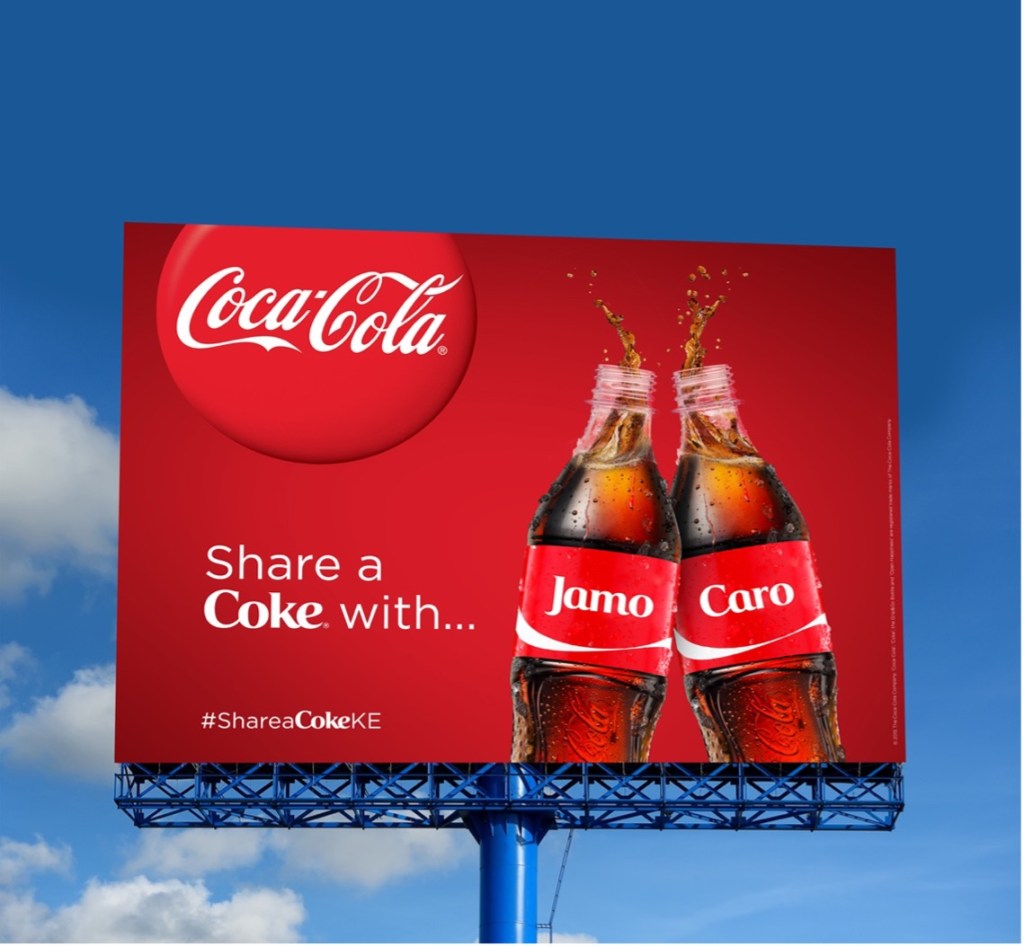
OOH delivers Unavoidable Impact with high-visibility advertising on major highways and urban centres. Its primary function is a reminder, relying on the customer’s memory. Email beats this on Immediacy because it is delivered to the customer’s always-on mobile device, enabling instant action and purchase, which a highway billboard simply cannot do.
Social Media
Social Media is great for Discovery & Engagement, yielding the community focus and buzz seen in contemporary campaigns. However, its effectiveness is limited by Ownership. Social media reach is reliant on external algorithms that change without warning. Email gives the brand full ownership of the audience data and a direct, guaranteed line of communication, ensuring your message is never lost to an algorithm change.
The Power of Intent
The key difference lies in the customer’s mindset. People on social media are there for entertainment; people opening marketing emails have a proven level of intent, they requested commercial content. This psychological edge makes email the superior conversion channel.
In the South African landscape, email marketing has moved the focus from simply reaching people to converting them. It’s practical, efficient, and essential for any brand that wants to turn awareness into verifiable, bottom-line revenue.
 PulseHaus
Leave a comment