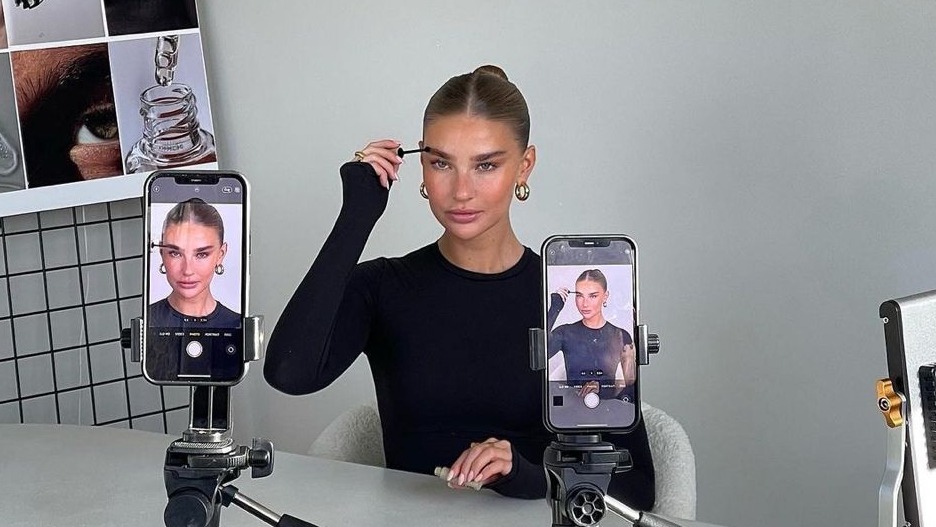
The days of your favorite, super-relatable, but utterly unqualified finance guru dropping “cheap hacks” and health tips are officially numbered, at least in China.
A new regulation from Beijing, effective immediately, is shaking the foundations of the global influencer economy. In a nutshell: if you want to talk about professional topics like medicine, finance, law, or education, you better have a degree, license, or verified professional credential to back it up.
For the marketing world, this is more than just a regulatory update; it’s the “Professionalization” of Influencers, and it signals a massive strategic shift away from the charmingly “unqualified” expert.
The Death of Unqualified ‘Authenticity’
For years, the magic of Influencer Marketing China lay in its authenticity. Marketers banked on relatability, which allowed creators without proper training to share health advice or investment secrets. The audience connected with the person, not the Ph.D.
This new law mandates a shift from relying on an influencer’s relatability to their verified expertise. Consumers will now witness a clear two-tiered influencer economy: the licensed elite for sensitive topics and the lifestyle legion for everything else.
Consumer Shift: For the public, this is the end of “cheap hacks” delivered by a friendly stranger. Brands and consumers must now value verifiable competence over viral charm.
The Credibility Crunch: Challenges for Brands and Experts

While the law promotes trust, it introduces significant friction for marketing teams executing a Marketing Strategy in China:
- Ethical Vetting Barrier: Brands face a major challenge in finding qualified experts. Unlike a typical influencer, credentialed influencers are governed by strict professional ethics. They are far more likely to refuse partnerships with brands they deem unethical or whose products conflict with their professional standards, as their reputation and license is on the line.
- Scarcity of Viral Experts: A professional’s training teaches caution, citation, and nuance. This detailed approach often conflicts with the bold, polarizing content that achieves mass virality. Professionals forced into highly specific, “nice niches” will struggle to gain the large audience reach demanded by major campaigns, making it difficult for brands to scale their message.
- Higher Costs, Limited Pool: Since the talent pool of qualified experts is now drastically smaller, certified professionals can demand significantly higher rates, fundamentally increasing the cost of Influencer Regulation-compliant campaigns.
A Global Test Case for Digital Trust
The world is watching. China’s move addresses a universal problem, the spread of misinformation in lucrative and sensitive fields.
This Chinese standard places immediate pressure on global platforms and foreign brands operating there. More importantly, it acts as a global test case for whether other governments will adopt similar measures. If this move successfully rebuilds consumer trust in the vast Chinese market, it could compel Western regulators, who are already struggling to contain misinformation, to implement their own version of Influencer Regulation.
Ultimately, this law signals that the era of relying on simple popularity for professional advice is ending, and the rest of the world will be influenced by how China’s digital ecosystem adjusts to this new mandate for expertise and transparency.
 PulseHaus
Leave a comment