
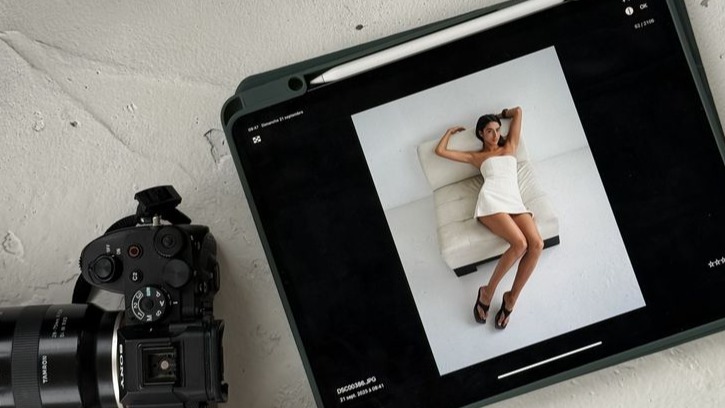
South Africa’s creator economy has officially entered its boom era, and in 2025, content creators aren’t just part of the marketing mix… they are the marketing mix. With mobile-first audiences, platform shifts, and culture evolving in real time, creators have become the most influential storytellers in the country. Forget the outdated celebrity-heavy campaigns; South African consumers want real voices, real relevance, and real cultural context.
South Africa’s creator economy has officially entered its boom era, and in 2025, content creators aren’t just part of the marketing mix… they are the marketing mix. With mobile-first audiences, platform shifts, and culture evolving in real time, creators have become the most influential storytellers in the country. Forget the outdated celebrity-heavy campaigns; South African consumers want real voices, real relevance, and real cultural context.
Local brands are finally catching up. While influencer marketing used to be “experimental,” it’s now one of the fastest-growing investment areas in the South African digital landscape. And the reason is simple: creators know how to speak to South African audiences in a way brands can’t. They understand township humour, local slang, fashion waves, regional nuances, and the subtle cultural codes that shape online behaviour.
Micro- and nano-influencers (5,000–50,000 followers) are proving especially powerful. Their audiences trust them. Their engagement is real. Their storytelling feels authentic. In markets like South Africa, where diversity, language and socioeconomic context matter, these creators deliver targeted, high-impact communication that global celebrities simply can’t replicate.
This shift is also driven by our mobile-first lifestyle. TikTok, Instagram Reels and YouTube Shorts are now cultural touchpoints, not just platforms. Short-form video dominates, and creators who know how to package, pace, and personalise content for SA audiences gain an instant advantage. Whether it’s lifestyle, beauty, gaming, finance, comedy, or local fashion, creators are leading the conversation.
Brands are responding with smarter, tech-enabled strategies. AI tools now analyse audience demographics, verify follower authenticity, identify influencers with the right cultural alignment, and track ROI with precision. Instead of one-off posts, companies are locking into long-term creator partnerships, a shift that builds trust and keeps messaging consistent across campaigns.
The blueprint for South African brands in 2025 is clear:
- Choose creators who understand your consumers’ culture, language and community
- Invest in mobile-first short-form video
- Prioritise authenticity over aesthetics
- Use AI to guide creator selection and track performance
- Let creators lead the storytelling, not the script
The brands winning right now are those who recognise that creators are not just “influencers”, they’re cultural interpreters, digital entrepreneurs, and modern media channels rolled into one.
And this is only the beginning. The next wave of creator-led innovation is already emerging:
- Live shopping becoming mainstream
- Creator-led podcasts growing across SA niches
- AI-generated editing tools boosting creator production quality
- Authentic local campaigns outperforming polished brand-led ads
- Regional creators gaining national influence
South Africans trust people more than logos. They trust voices more than taglines. They trust creators more than campaigns.
In 2025, creators aren’t following trends; they’re building them.
And for South African brands, the influencer boom isn’t a prediction.
It’s already here, and it’s reshaping the future of marketing.
 PulseHaus
Leave a comment